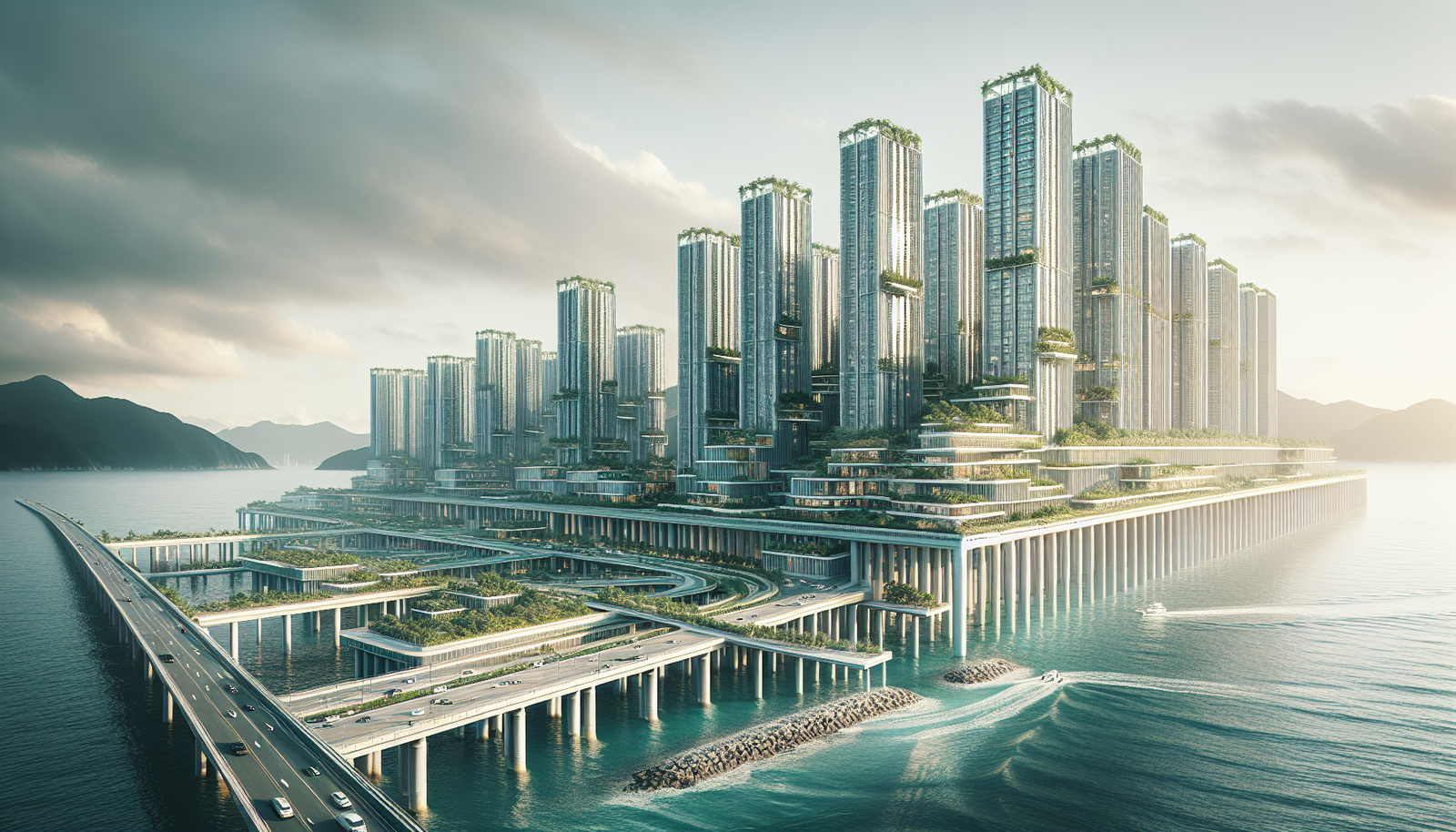
Understanding Climate Resilience in Real Estate
As environmental changes continue to impact coastal regions, climate resilience is becoming a pivotal concern for real estate investors in South Florida. The area's susceptibility to rising sea levels, hurricanes, and extreme weather events necessitates a strategic approach to property investment and development. This article explores how climate resilience is shaping the real estate landscape, providing investors with insights into sustainable practices and long-term value protection.
The Imperative for Climate-Resilient Developments
South Florida's geographic location makes it particularly vulnerable to the effects of climate change. Rising sea levels and increased hurricane activity pose significant risks to property values and infrastructure. As a result, developers and investors are increasingly prioritizing climate resilience in their projects, integrating features designed to mitigate environmental impacts.
Resilient developments often incorporate elevated structures, stormwater management systems, and sustainable building materials. These features not only protect assets but also enhance their attractiveness to environmentally conscious tenants and buyers.
Strategic Investment in Resilient Infrastructure
For investors, the shift towards climate resilience presents both challenges and opportunities. While initial costs for incorporating resilient features may be higher, the long-term benefits include reduced maintenance costs, enhanced property values, and improved marketability. Investing in resilient infrastructure can also protect against the increasing costs associated with insurance premiums and potential regulatory changes.
Moreover, government incentives for green building practices and resilient infrastructure can further offset initial investments, providing financial benefits while contributing to sustainability goals.
Case Studies: Resilience in Action
Several South Florida developments serve as prime examples of successful climate resilience strategies. For instance, the redesign of Miami's waterfront areas to include elevated walkways and flood barriers demonstrates a commitment to protecting urban spaces from future climate challenges. Similarly, new multifamily developments are incorporating green roofs and smart water management systems to enhance resilience.
These case studies highlight the importance of forward-thinking design in maintaining the region's appeal and economic vitality in the face of climate change.
The Role of Policy and Regulation
Policy and regulation play a crucial role in advancing climate resilience in real estate. In South Florida, local governments are increasingly enforcing building codes that require flood-proofing measures and storm-resistant construction. Investors and developers must stay informed about these regulations to ensure compliance and capitalize on opportunities for sustainable development.
Collaborative efforts between public entities and private developers can lead to innovative solutions that benefit the entire community, ensuring that climate resilience becomes a standard practice rather than an exception.
Conclusion: Future-Proofing Investments
As climate resilience becomes a defining feature of the South Florida real estate market, investors and developers have a unique opportunity to lead the charge in sustainable development. By integrating resilient strategies, they can safeguard their investments, enhance property values, and contribute positively to community resilience.
Ultimately, embracing climate resilience is not just a response to environmental challenges but a strategic imperative that aligns with broader market trends and investor demands for sustainable and secure real estate assets.
← All articlesHave a deal that fits our box?
Multifamily & industrial across South Florida, 20–150 units. We move quickly, communicate clearly, close reliably.