Understanding Climate Resilience in Real Estate
Climate resilience refers to the ability of infrastructure and communities to anticipate, prepare for, respond to, and recover from significant climate-related events. In South Florida, the real estate sector, particularly multifamily properties, faces increasing risks from hurricanes, rising sea levels, and extreme weather conditions. It is imperative for investors and developers to integrate climate resilience into their investment and development strategies.
Assessing Climate Risks
Investors must first understand the specific climate risks that impact South Florida. Hurricanes and tropical storms pose immediate threats, often resulting in costly damages. Long-term risks include rising sea levels, which can lead to flooding and erosion, particularly in coastal areas. Understanding these risks allows investors to make informed decisions about property acquisitions and developments.
Strategies for Resilience
Several strategies can be employed to enhance the resilience of multifamily properties in South Florida:
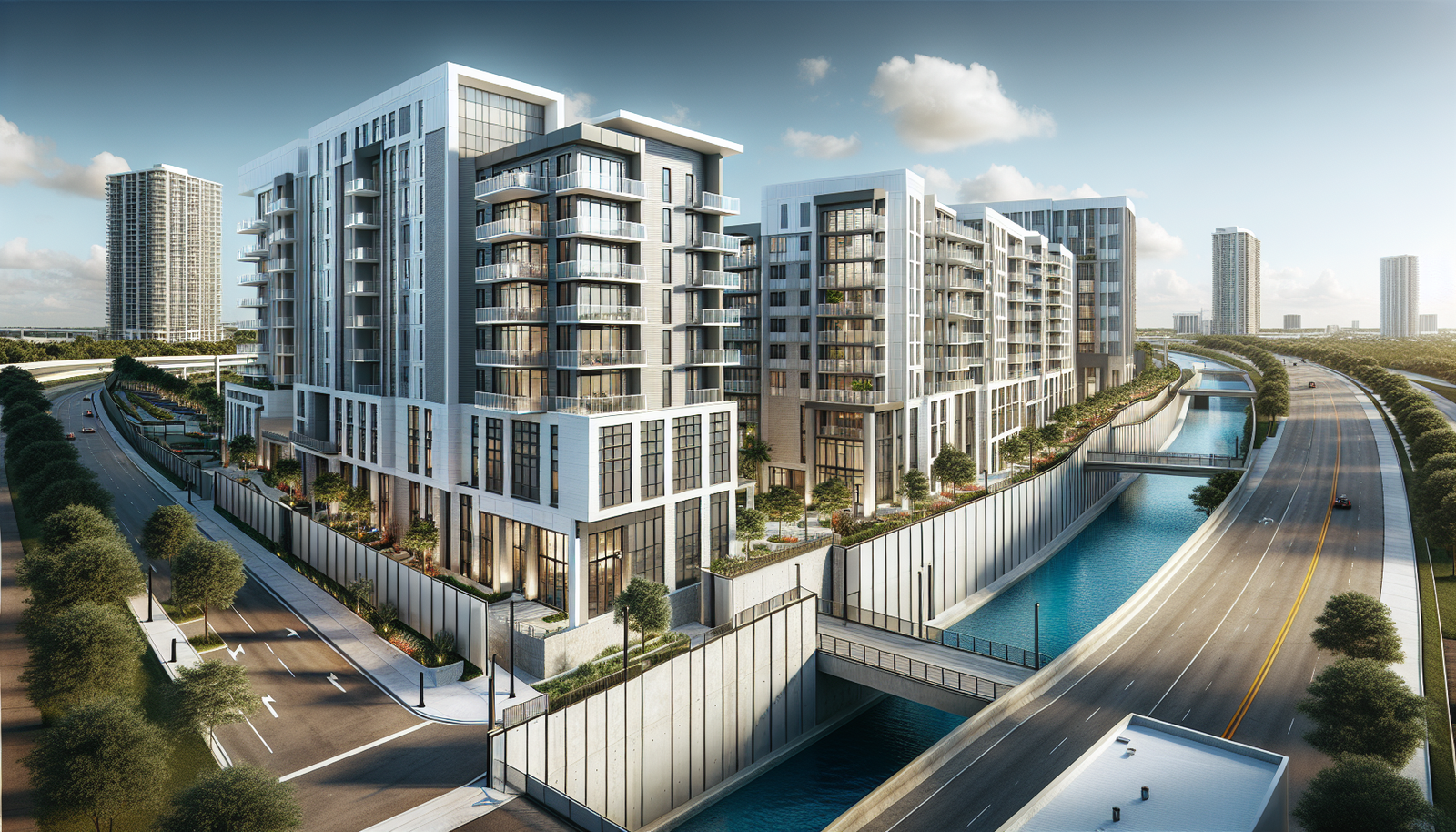
- Infrastructure Investment: Investing in robust infrastructure, such as storm-resistant materials, elevated structures, and advanced drainage systems, can significantly mitigate the impact of extreme weather events.
- Site Selection: Prioritize locations that are less prone to flooding and consider future climate projections in the decision-making process.
- Energy Efficiency: Implement energy-efficient systems to reduce greenhouse gas emissions, which contribute to climate change, and lower operational costs.
- Insurance and Financial Planning: Ensure comprehensive insurance coverage and consider the financial implications of potential climate events.
The Role of Policy and Regulations
Local governments in South Florida have begun to implement policies aimed at enhancing climate resilience. Building codes now require more stringent standards for structures in flood-prone areas, and zoning laws are being adjusted to discourage development in vulnerable regions. Real estate professionals must stay informed about these regulations to comply with legal standards and to leverage potential incentives for resilience investments.
Conclusion
Climate resilience is no longer optional for South Florida's multifamily real estate sector. With the inevitability of climate change impacts, proactive strategies are essential to protect investments and ensure sustainable growth. By integrating resilient design, strategic planning, and compliance with evolving regulations, investors can safeguard their assets and contribute to a more sustainable future.
← All articlesHave a deal that fits our box?
Multifamily & industrial across South Florida, 20–150 units. We move quickly, communicate clearly, close reliably.