Introduction
The South Florida rental market has long been a focal point for real estate investors, thanks to its vibrant economy, diverse population, and appealing lifestyle. As we look towards 2024, several trends are poised to shape the rental landscape, impacting both demand and investment strategies.
Urban Influx and Population Growth
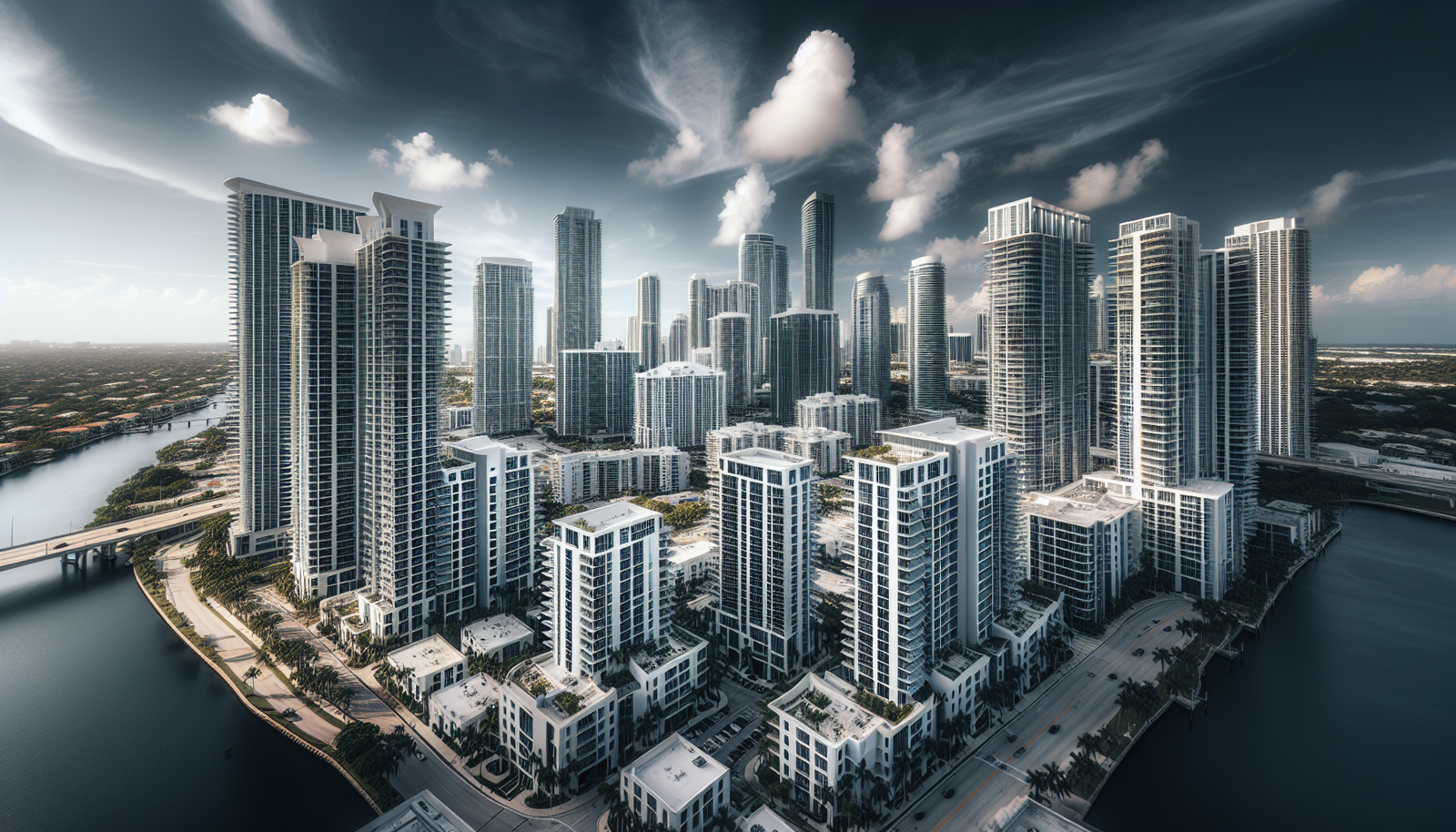
South Florida continues to experience significant population growth, fueled by domestic migration and international interest. Major urban centers like Miami, Fort Lauderdale, and West Palm Beach are witnessing an influx of new residents seeking lifestyle benefits and employment opportunities. This surge is expected to sustain high demand for rental properties, particularly in multifamily housing, as individuals prioritize flexibility and accessibility over ownership.
Development Trends and Supply Dynamics
With rising demand, developers are responding by increasing the supply of rental units. However, regulatory challenges and land scarcity in prime locations continue to pose constraints. The focus is likely to shift towards innovative solutions such as transit-oriented developments and mixed-use projects that maximize available space while enhancing tenant experiences.
Market Segmentation and Tenant Preferences
Understanding tenant preferences is key to tapping into South Florida's rental market. Millennials and Gen Z renters, for instance, prioritize amenities like coworking spaces, eco-friendly features, and smart home technologies. Catering to these preferences can enhance property appeal and occupancy rates. Additionally, the luxury rental segment continues to grow, driven by high-net-worth individuals seeking premium urban living experiences.
Economic Drivers and Challenges
South Florida's economic resilience, bolstered by sectors such as hospitality, finance, and tech, supports rental market stability. Nonetheless, potential interest rate hikes and inflationary pressures could influence financing costs and rental yield expectations. Investors need to strategically navigate these economic factors to ensure optimal returns.
Investment Opportunities and Risks
For investors, the South Florida rental market offers various opportunities, from value-add renovations in older properties to ground-up development in emerging neighborhoods. However, it's crucial to conduct thorough due diligence, considering factors like zoning regulations, neighborhood growth potential, and long-term demographic trends. Additionally, understanding the impact of climate change and implementing sustainability measures can mitigate long-term risks.
Conclusion
The rental market in South Florida remains a robust and dynamic investment arena. By staying informed about demographic shifts, market demands, and economic influences, investors can strategically position themselves to capitalize on emerging trends while managing associated risks. As the region continues to evolve, adaptability and strategic foresight will be essential for sustained success in this competitive market.
← All articlesHave a deal that fits our box?
Multifamily & industrial across South Florida, 20–150 units. We move quickly, communicate clearly, close reliably.